The legacy of Padma Vibhushan Ustad Ghulam Mustafa Khan continues as his family and disciples host the second edition of the prestigious award in his name, commemorating his third death anniversary. Spanning 16–17 January 2024, the celebration begins with an evening of Hindustani classical music at the Kashinath Ghanekar Natyagruha in Thane, featuring a flute recital by Rakesh Chaurasia, a sitar performance by Purbayan Chatterjee, and vocals by Pandit Venkatesh Kumar.
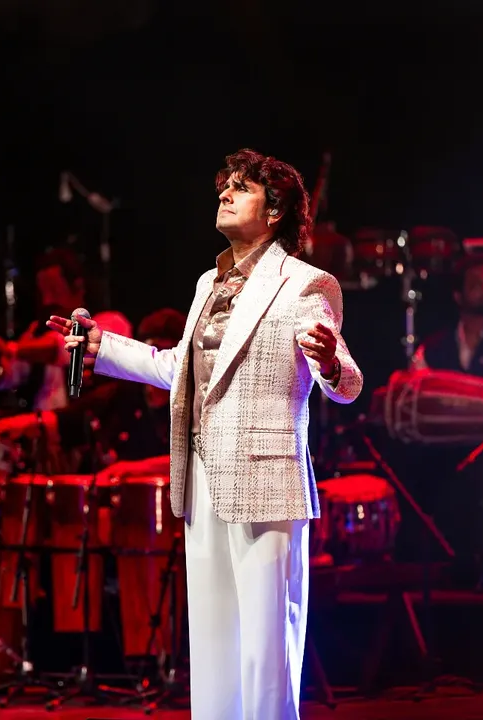
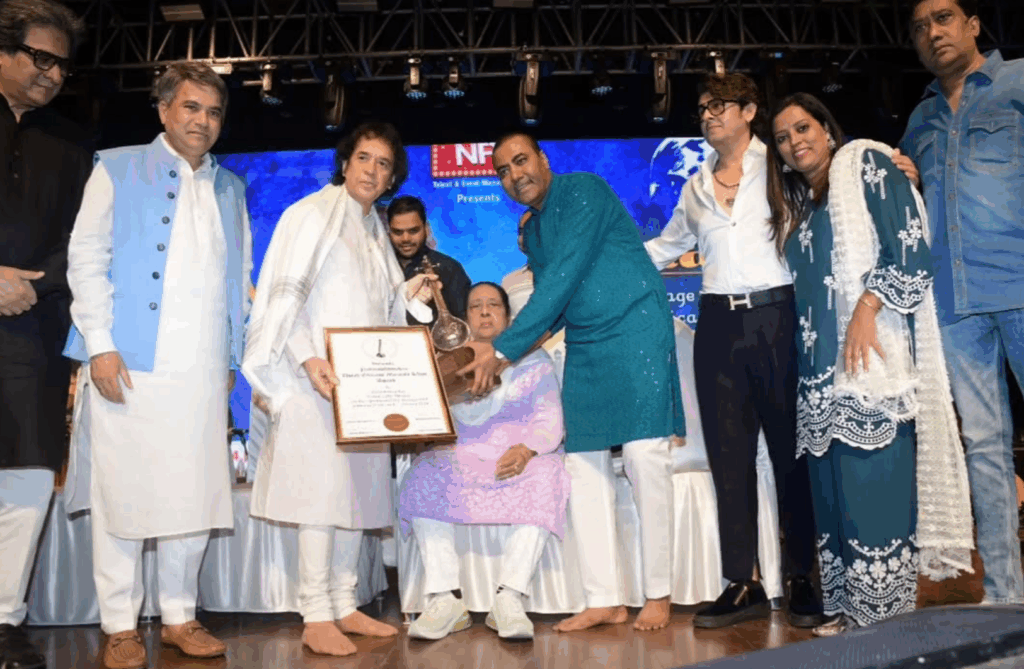
The main ceremony on 17 January will be held at Shanmukhananda Hall, Sion, Mumbai, where the award will be presented by Ustad ji’s wife, Amina Ghulam Mustafa Khan, to the renowned tabla virtuoso Padma Vibhushan Ustad Zakir Hussain. Following the presentation, Khan Saab’s devoted disciple Padma Shri Sonu Nigam will offer a heartfelt tribute through his concert Haazri, honoring the profound bond between guru and student.
Ustad Ghulam Mustafa Khan, a torchbearer of the Rampur Sahaswan Gharana, was one of the most respected figures in Hindustani Classical Music. His influence extended far beyond traditional circles—mentoring legends like Asha Bhosle, A.R. Rahman, Hariharan, Sonu Nigam, Shaan, and Shilpa Rao, while even guiding the legendary Lata Mangeshkar. His artistry and teaching enriched the landscape of Indian classical and popular music, leaving an indelible imprint that continues to inspire generations.
The award itself celebrates musicians who, like Ustad ji, have made exceptional contributions to Indian classical music. Its inaugural edition honored flute maestro Pandit Hariprasad Chaurasia, further establishing the award’s commitment to preserving this rich heritage.
Reflecting on the honour, Ustad Zakir Hussain expressed deep gratitude, calling Ustad Ghulam Mustafa Khan “one of the great unsung heroes of Indian Classical Music” and lamenting the irreplaceable void left by his passing. He praised Khan Saab’s enduring influence through his sons and grandson, who continue to teach and perform, ensuring that the Rampur Sahaswan Gharana thrives.
The tribute carries personal meaning for Sonu Nigam as well. He recalls the freedom his guru gave his students to pursue their own musical paths, never insisting they abandon their individual styles for classical training. For Nigam, Haazri is not just a performance but a deeply personal homage—“a tribute from a son to his father,” as he describes it.
Rabbani Mustafa Khan, Ustad ji’s son, highlights the family’s dedication to keeping Hindustani classical music alive through this event. Plans are already underway to expand the celebration to more cities in the future, reinforcing their mission to promote the tradition to a wider audience.
The performers share a similar reverence. Flautist Rakesh Chaurasia, nephew of Pandit Hariprasad Chaurasia, speaks of the blessings he received from Khan Saab and his awe at the number of celebrated singers who sought his guidance. Sitarist Purbayan Chatterjee, inspired by rare recordings of Ustad ji, plans to select his raga spontaneously on the evening of the concert, while Pandit Venkatesh Kumar eagerly anticipates the opportunity to honour a musician he calls a “colossal personality.”
Together, these two days of music and remembrance promise not only to celebrate Ustad Ghulam Mustafa Khan’s extraordinary life but also to uphold the timeless spirit of Hindustani classical music for generations to come.